
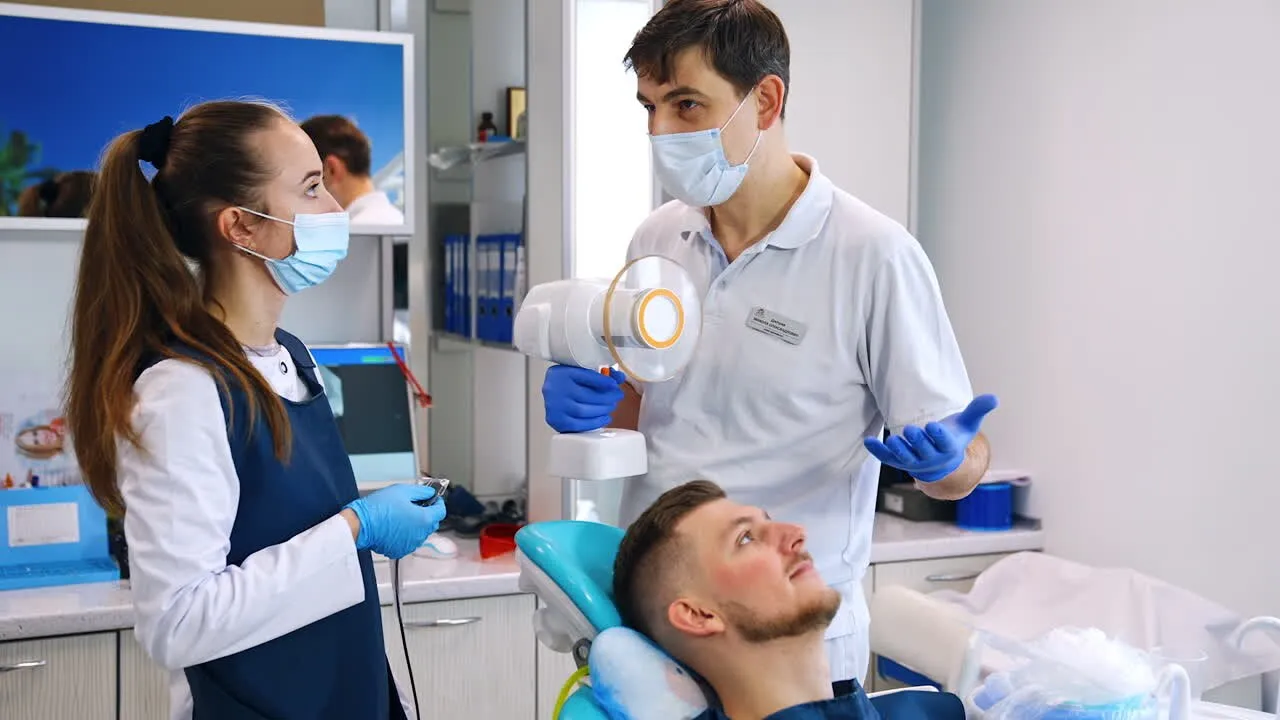
Oral Cancer Screenings
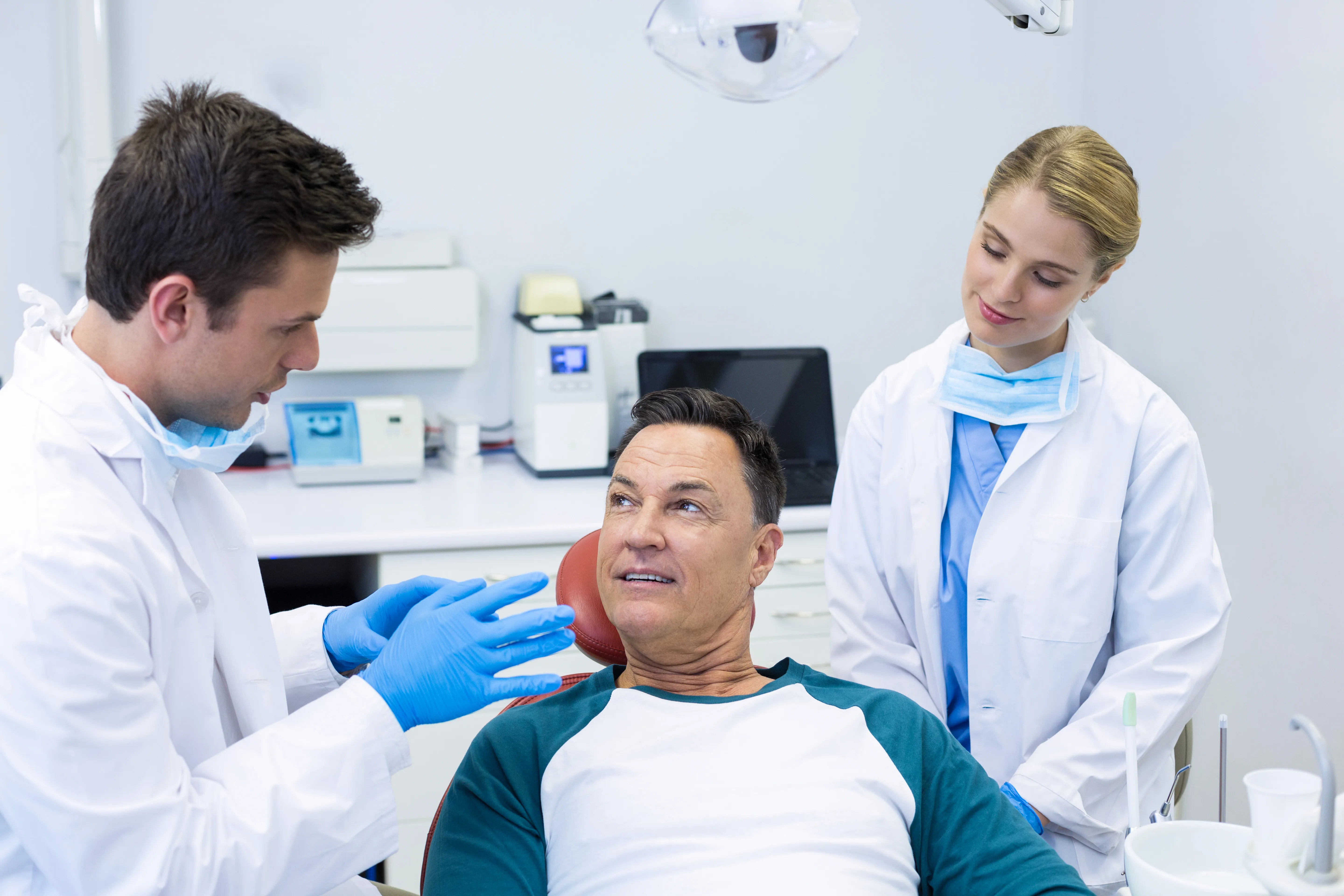
An oral cancer screening looks for unusual changes in the mouth and surrounding tissues that may need further evaluation. It can help identify areas of concern, but it cannot detect every cancer or confirm a diagnosis on its own.
Contact Lakewood Dental of Colorado to ask about an oral examination or discuss a change you have noticed.
Oral cavity cancer develops in the tissues of the mouth, including the lips, gums, inner cheeks, front portion of the tongue, floor of the mouth, and hard palate. Cancers in the back of the throat are called oropharyngeal cancers.
Not every sore, lump, or discolored area is cancer. A professional evaluation can help determine what follow-up is appropriate.
An examination generally includes looking at the lips and tissues inside the mouth and feeling for unusual lumps or changes around the mouth and neck. Your provider may also ask about symptoms, medical history, and risk factors.
If an area looks suspicious, prompt further evaluation may be needed. This may involve a biopsy or referral to a specialist. A biopsy examines a tissue sample to help establish a diagnosis.
Contact a dentist or physician if you notice:
- A mouth sore that does not heal
- A red or white patch inside the mouth
- A lump or thickened area in the mouth or neck
- Unexplained numbness or persistent mouth pain
- Difficulty chewing, swallowing, or moving the tongue
- A persistent sore throat or change in your voice
Symptoms lasting more than two weeks should be evaluated. Seek care sooner for concerning or worsening changes rather than waiting for your next routine appointment.
Have questions about oral cancer screening or a change in your mouth? Call (303) 233-1112 or request an appointment online.
Q1. What happens during an oral cancer screening?
Your dentist examines the tissues in and around your mouth for unusual changes, such as sores, patches, or lumps. The examination may also include feeling the neck and jaw area and discussing any symptoms you have noticed.
Q2. Does an oral cancer screening diagnose cancer?
No. A screening looks for changes that may need further evaluation. An unusual finding does not necessarily mean cancer. Your dentist may recommend reassessment, referral, or a biopsy when appropriate.
Q3. What symptoms should I have checked?
Arrange an evaluation for a mouth sore, lump, red or white patch, or unexplained irritation that lasts more than two weeks. Persistent hoarseness or difficulty chewing or swallowing should also be assessed.
Q4. Do I need screening if I do not smoke?
Oral cancer can occur in people who do not use tobacco. Discuss your history and risk factors with your dentist, and report persistent changes in your mouth even if you otherwise feel well.
We provide compassionate, advanced dental care that delivers lasting confidence and healthy smiles.
- Location84 Garrison St., Suite A, Lakewood, CO 80226Get Directions →
- HoursMonday: 9:00 AM – 6:00 PMTuesday – Wednesday: 8:00 AM – 6:00 PMThursday: 8:00 AM – 5:00 PMFriday: 8:00 AM – 3:00 PM
Request an Appointment
We’ll confirm within one business day.