
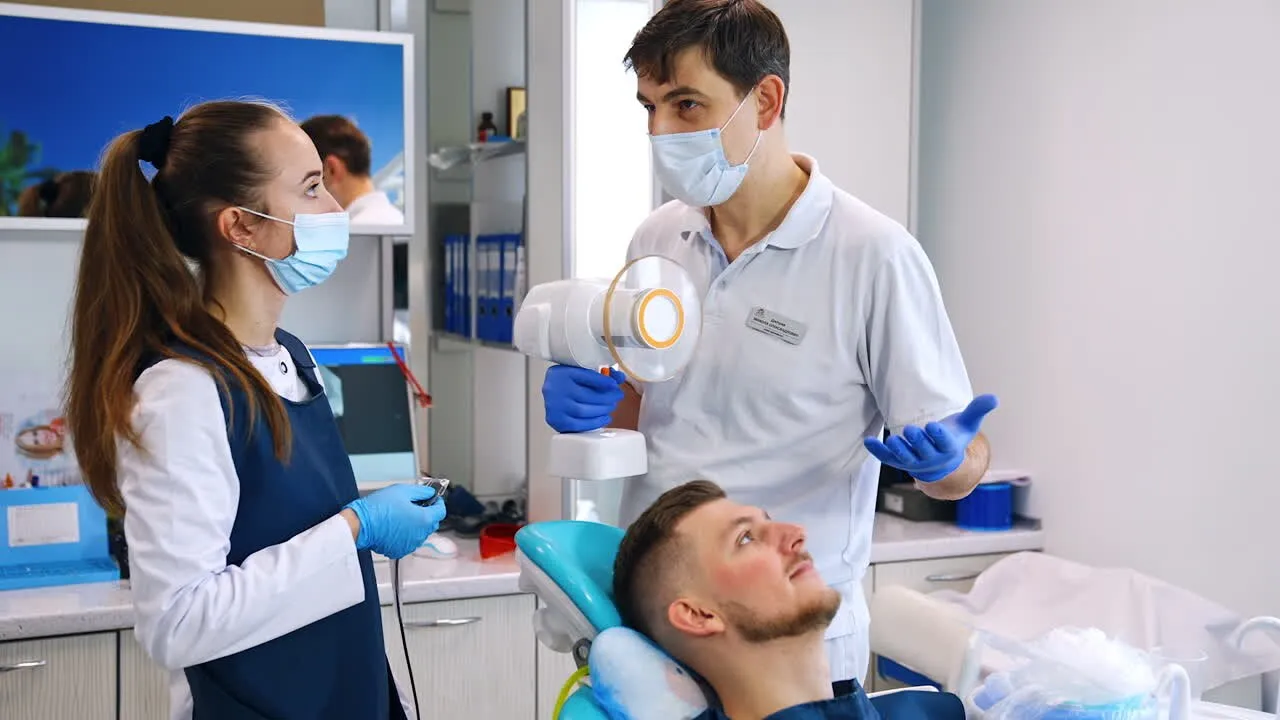
Sleep Dentistry
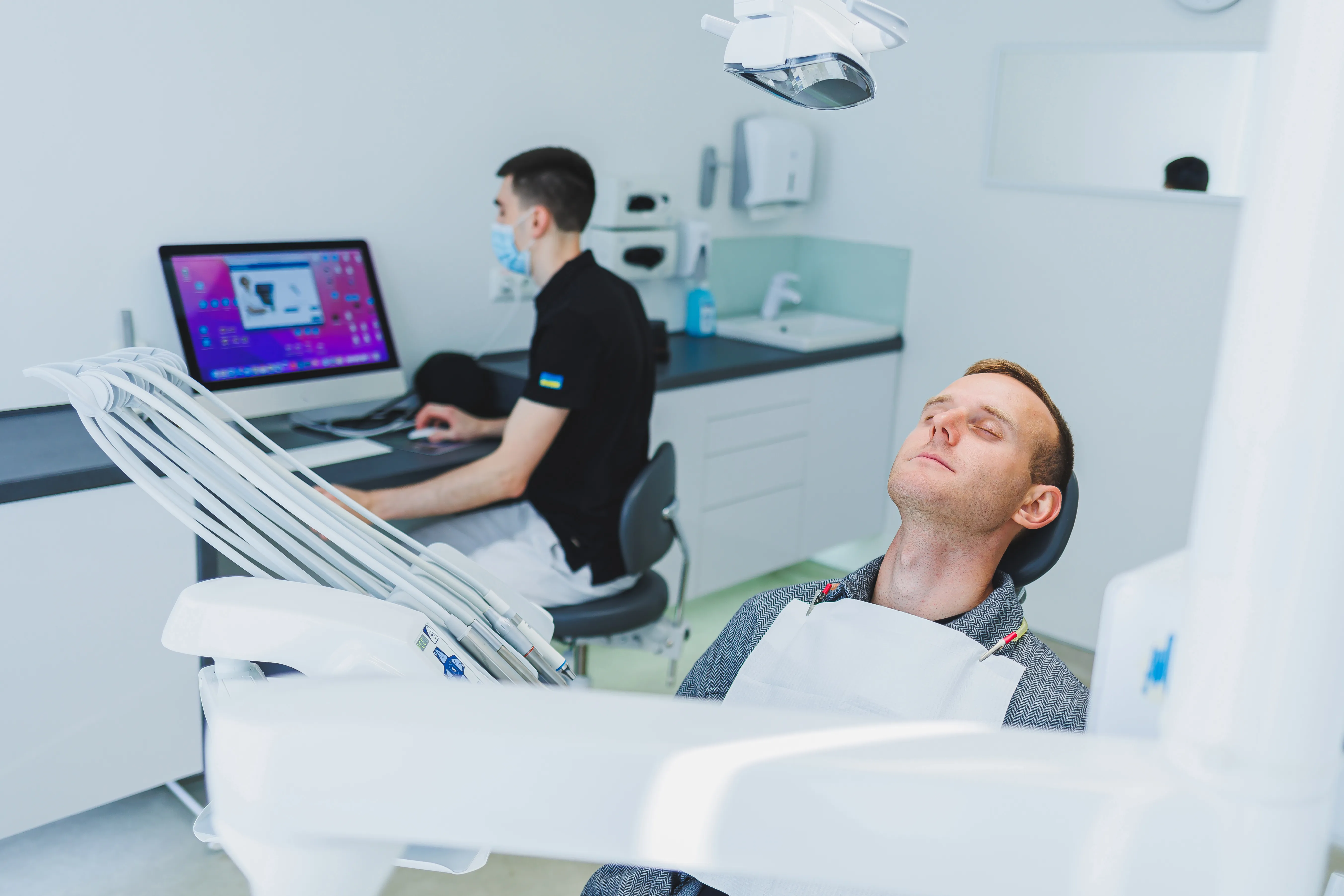
Feeling nervous about dental treatment? Sharing your concerns with your dentist is a helpful first step. Sedation may help some patients manage anxiety during dental care, depending on their health and treatment needs. At Lakewood Dental of Colorado, you can discuss your concerns, ask questions, and explore approaches that may help you feel more comfortable during your visit.
Planning your care starts with understanding your needs. Tell your dentist about previous dental experiences, medical conditions, medications, and any concerns about treatment.
Sedation is one approach to managing anxiety, but it is not appropriate for everyone. Your dentist can discuss potential benefits, risks, and alternatives. Local anesthesia may also be needed to numb the treatment area.
The following are examples of sedation methods used in dentistry. Ask our team which options are available and whether they may be appropriate for your care.
IV Moderate Sedation
IV sedation delivers medication through a vein. When used to achieve moderate sedation, it can make patients feel relaxed and drowsy while they remain able to respond purposefully to spoken instructions or gentle touch. Awareness and memory of treatment vary. Moderate sedation is different from general anesthesia.
Nitrous Oxide
Nitrous oxide is mixed with oxygen and inhaled through a small mask over the nose to help patients relax. When used alone for minimal sedation, patients generally remain awake and responsive. Its effects usually decrease quickly after administration stops, but recovery and discharge instructions depend on the individual.
Have questions about dental anxiety or sedation? Call (303) 233-1112 or request an appointment to discuss your concerns and the options that may be appropriate for you.
Q1. Can sedation help with dental anxiety?
Sedation may help some patients feel more relaxed during dental treatment. Your dentist will review your anxiety, medical history, medications, and planned procedure before discussing whether sedation is appropriate.
Q2. Will I be asleep during dental sedation?
Not necessarily. With minimal or moderate sedation, patients generally remain responsive. General anesthesia involves unconsciousness and is a different level of care. Ask your provider what to expect from the specific approach being considered.
Q3. What sedation options might be considered?
Depending on the patient and procedure, options may include nitrous oxide, oral medication, or IV sedation. These are general options, not a confirmation that every method is available at our office. Contact our team to discuss available care and possible referrals.
Q4. Will I need someone to drive me home?
Transportation requirements depend on the sedation used. Many forms require a responsible adult to take you home and assist afterward. Confirm transportation, eating, drinking, and medication instructions with your provider before the appointment.
We provide compassionate, advanced dental care that delivers lasting confidence and healthy smiles.
- Location84 Garrison St., Suite A, Lakewood, CO 80226Get Directions →
- HoursMonday: 9:00 AM – 6:00 PMTuesday – Wednesday: 8:00 AM – 6:00 PMThursday: 8:00 AM – 5:00 PMFriday: 8:00 AM – 3:00 PM
Request an Appointment
We’ll confirm within one business day.