
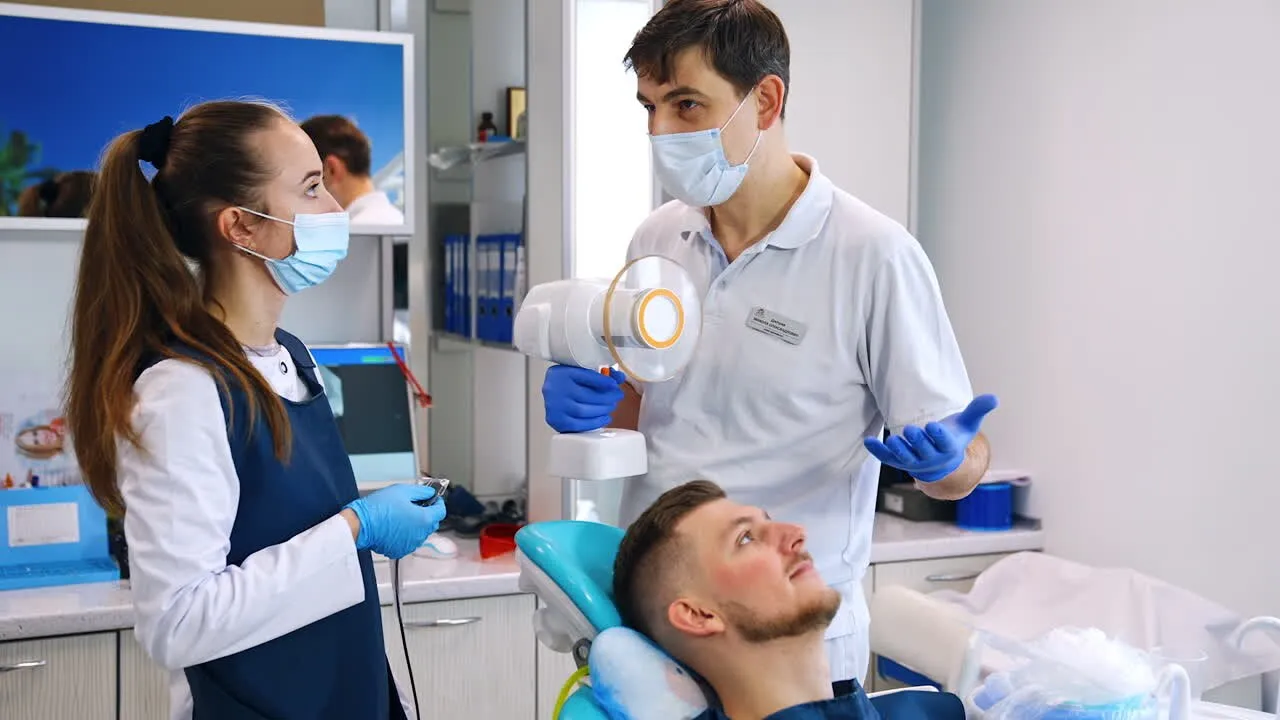
TMJ Treatment

The temporomandibular joint (TMJ) is positioned close to your ears and aids jaw movement for chewing and talking. The joint helps attach the temporal bone and the mandible. Also, the TMJ allows sideways and forward movement of the jaw and is considered a complex joint in the body system. If you notice any issue with your temporomandibular joint, ensure that you visit a certified TMJ treatment specialist like Lakewood Dental of Colorado for adequate treatment. We are committed to providing effective and compassionate care to patients in Lakewood and surrounding cities.
TMJ disorders present several symptoms which cause different levels of pain. The disorder can happen due to various causes and can be treated using different procedures. The symptoms can include recurring pain in the jaw area and limited jaw movement.
If the patient has been certified to need TMJ treatment, the dentist will choose the oral equipment to fix the issue. First, specialized testing and comprehensive examination will be done to identify the root cause of the problem. Afterward, the patient will undergo a customized treatment plan and recommendations for supplements and exercises and other therapy and expert advice to eliminate the symptoms permanently.
If you are experiencing any symptoms like headaches, jaw pain, and so forth, ensure that you visit the dental professional for an evaluation. Our TMJ professionals at Lakewood Dental of Colorado are ready to assist you and recommend the ideal dental procedure. Call us today to schedule a consultation.
Q1. What is the difference between TMJ and TMD?
TMJ refers to the temporomandibular joint, which connects your jaw to your skull. TMD refers to disorders affecting the jaw joints and related muscles. These conditions can cause pain or difficulty moving the jaw.
Q2. Does jaw clicking mean I need treatment?
Not necessarily. Clicking without pain or restricted movement is common and may not need treatment. An evaluation is appropriate if clicking comes with pain, locking, or difficulty opening or closing your mouth.
Q3. How is TMD evaluated?
Evaluation usually includes discussing symptoms and examining jaw movement, muscles, and joints. Imaging or referral may be appropriate in some cases. Because jaw and facial pain can have different causes, an accurate diagnosis is important.
Q4. What treatments may help TMD?
Care often starts with conservative measures, such as changing aggravating habits, guided exercises, or other individualized approaches. A provider may consider medication or an appliance when appropriate. Treatments that permanently change the bite are not a routine first step.
We provide compassionate, advanced dental care that delivers lasting confidence and healthy smiles.
- Location84 Garrison St., Suite A, Lakewood, CO 80226Get Directions →
- HoursMonday: 9:00 AM – 6:00 PMTuesday – Wednesday: 8:00 AM – 6:00 PMThursday: 8:00 AM – 5:00 PMFriday: 8:00 AM – 3:00 PM
Request an Appointment
We’ll confirm within one business day.